Recently, we had the pleasure of hosting Kate Billing for a Juno Learning CPD session on human-centred leadership and prosocial influence.
Ngā mihi nui to Kate for bringing both science and practicality in equal measure. Her style is energetic, thoughtful, and refreshingly usable and provides a clear insight into how people actually behave, especially under pressure.
The key takeaways from the webinar have been shared by Juno Lawyer, Sarah Graydon.
Key takeaways from Juno Learning: Human-centred leadership & prosocial influence with Kate Billing
“Influence these days is less about positional power, and more about how skilfully we can create a sense of safety and fairness in each interaction.” – Kate Billing
Recently, we had the privilege of hosting Kate Billing for a Juno Learning CPD session on human-centred leadership and prosocial influence.
In-house lawyers know the importance of influence. We are constantly negotiating priorities, navigating competing pressures and working across teams where we often hold responsibility sometimes without direct authority. Kate’s session offered a practical framework for approaching those dynamics.
Leadership across domains
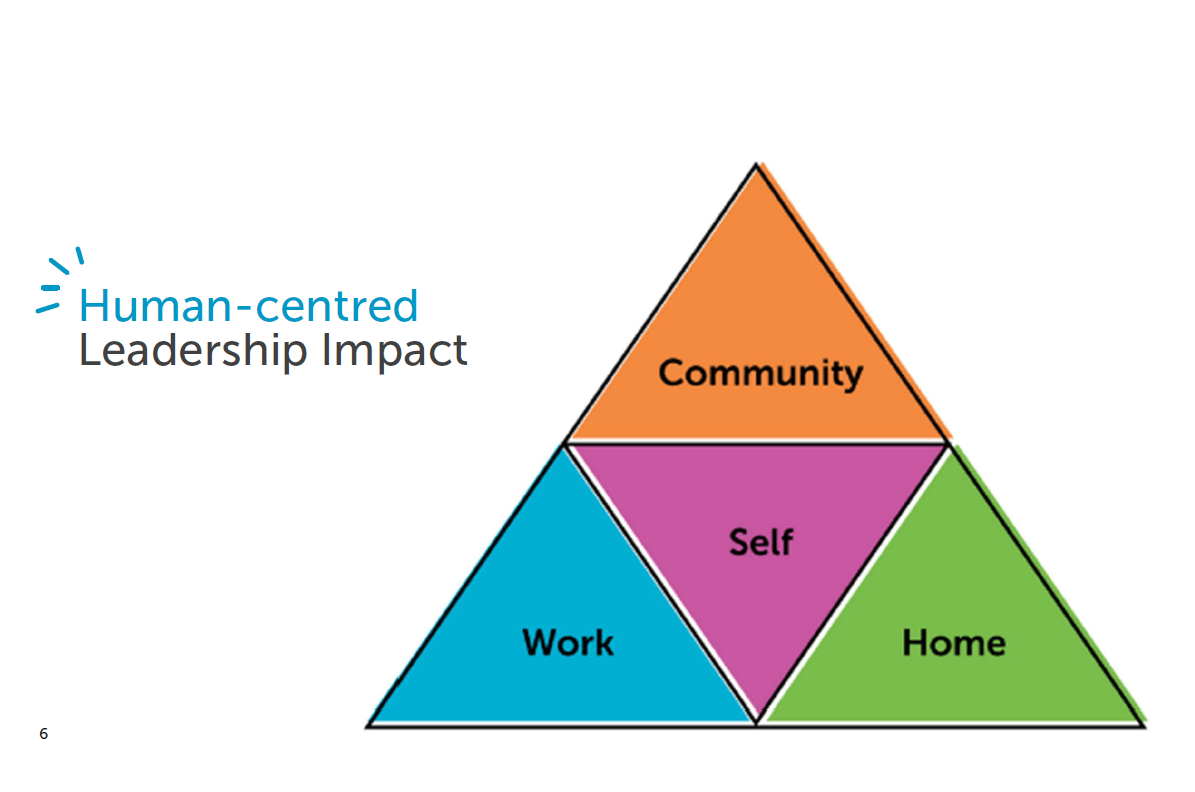
Kate began by broadening the idea of leadership beyond titles and reporting lines. Human-centred leadership operates across four domains: self, work, home and community. When one domain becomes overloaded, it inevitably affects the others.
This was a useful reminder that influence starts with self-leadership. If we are depleted, overstretched or operating in constant urgency, that state will shape how we show up in conversations that require calm, clarity and cooperation.
Human security needs
A central theme of the session was that behaviour is shaped by fundamental human security needs: significance and respect, belonging, psychological safety, autonomy and predictability.
When those needs are met, people are more open to collaboration and influence. When they are threatened, people move into protection mode.
For in-house lawyers, this reframing is powerful. What might present as resistance or obstruction can often be understood as a response to uncertainty, loss of control or perceived lack of respect. Shifting from frustration to curiosity can materially change the outcome of a conversation.
Old-school, manipulative and prosocial influence
Kate contrasted three broad styles of influence.
Old-school influence relies on positional authority and escalation. Manipulative influence may achieve outcomes in the short term but erodes trust. Prosocial influence, by contrast, seeks to achieve worthwhile outcomes in a way that honours the other person’s autonomy and long-term wellbeing.
Importantly, prosocial does not mean “soft”. It is deliberate and strategic and requires clarity, boundaries and consistency.
Micro-behaviours that build influence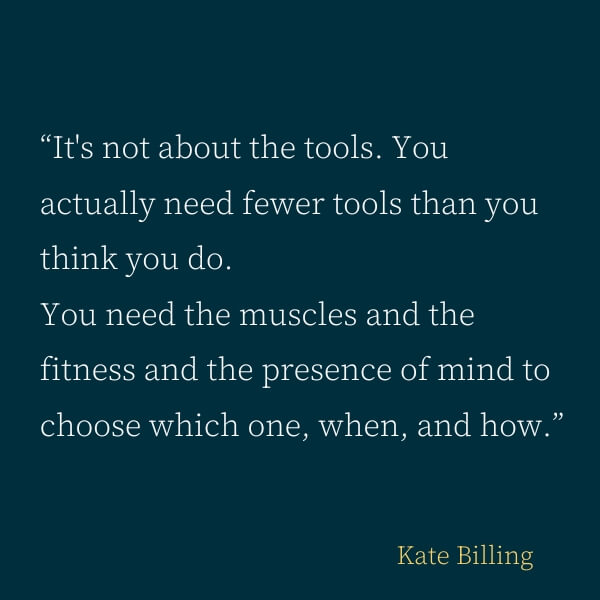
The practical part of the session focused on small, repeatable micro-behaviours that support prosocial influence.
These included:
- Conducting a simple “needs check” to surface what is required on both sides.
- Using a pre-meeting check-in to build relational capital and reduce friction.
- Pairing empathy with action, acknowledging pressure while still moving forward.
- Offering a “bounded yes”, setting clear parameters rather than defaulting to overcommitment.
- Publicly acknowledging contributions to reinforce positive norms.
None of these behaviours are new or complicated. Most of us would recognise them as things we already know how to do.
What Kate challenged us on, however, was the difference between simply collecting 'tools for the toolkit' and building the muscles and fitness to use them consistently, especially when under pressure.
The closing challenge
Kate encouraged us to identify one relationship where influence feels important and to experiment with one or two of these micro-behaviours.
Decide when you will start. Write it down. Treat it as experimental rather than aiming for perfection.
What was quite cool was that, as the webinar ended, people felt ready to try it out. The chat at the end was full of words like “optimistic”, “practical” and “excited”. It reinforced that it was not an abstract theory. It was something people could apply immediately.
For me, the takeaway was that effective leadership is less about persuading harder and more about consistently creating conditions where people feel safe enough to engage.

Ngā mihi nui to Kate and to everyone who joined the session for your thoughtful engagement and questions. It’s always a privilege to learn alongside the in-house community.
In the spirit of being open and generous, here are some ways keep learning and connected:
- Watch the full recording on our website in News and Resources
- Take the self-assessed quiz to revise the lessons from the session
- Interested in diving deeper? Kate is running a one-day in-person workshop in late April (6 hours CPD). To join the wait list, email [email protected] with “Wait List” in the subject line and Auckland or Wellington in the body
- Subscribe to Juno Communications. Stay updated on upcoming Juno Learning sessions, both online and in-person